 Canadian Owned & Operated
 Canadian Owned & Operated
Posted on May 14, 2026

Architects and engineers know the most successful projects anticipate challenges before the first wall goes up. But too often, accessibility equipment like ceiling lifts, vertical platform lifts, and ramps are left out of the early planning phase. When that happens, retrofits become costly, timelines stretch, and the final result can feel like an afterthought rather than an intentional design feature.
Integrating this equipment in line with accessibility standards from day one ensures the space works seamlessly for all users. For a ceiling lift, that might mean reinforcing structural beams before drywall is installed. For a vertical platform lift, it could involve aligning the lift with natural traffic flow in a multi-level space. With ramps, it’s about creating an approach that feels intuitive and blends with the surrounding architecture.
In BC, evolving accessibility legislation is pushing projects to meet higher accessibility standards and consider more inclusive solutions from the start. The best way to stay ahead is to build these systems into the blueprint so they become part of the space, not an add-on after the fact.
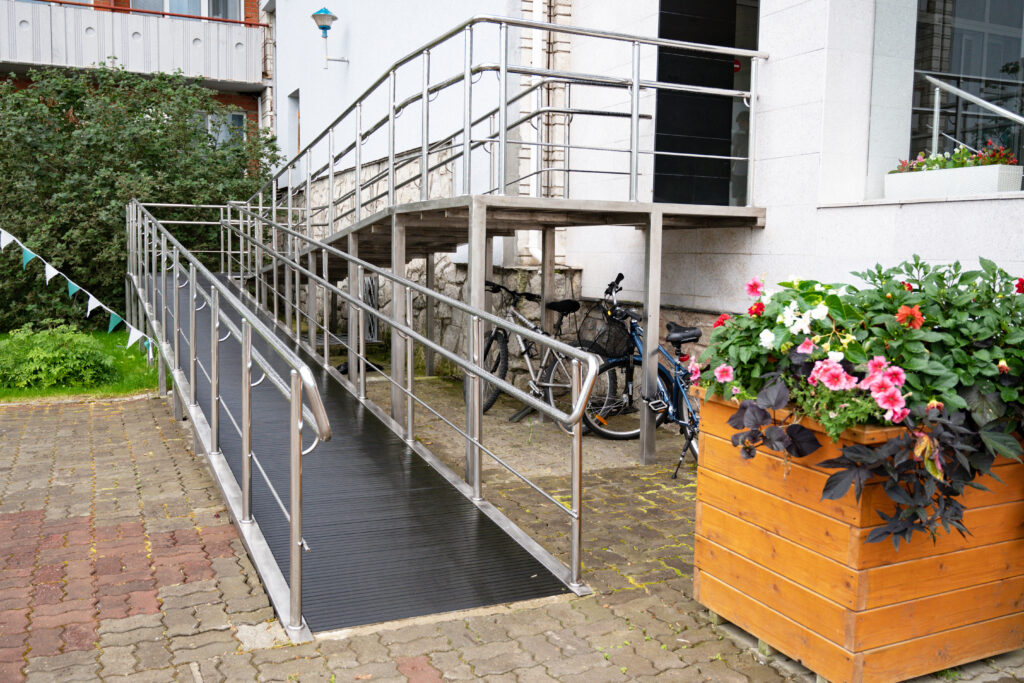
Clearances can make or break equipment performance. You can install the best ceiling lift or vertical platform lift available, but if the space around it doesn’t meet accessibility standards for maneuvering and approach, it won’t work the way it should.
Ceiling lifts
Vertical platform lifts
Ramps
These are just a few examples. Every lift or ramp installation has dozens of smaller factors, like structural load, finishes, and approach routes, that should be considered early. The sooner they’re addressed, the easier it is to stay aligned with accessibility standards and create a space that works for everyone.
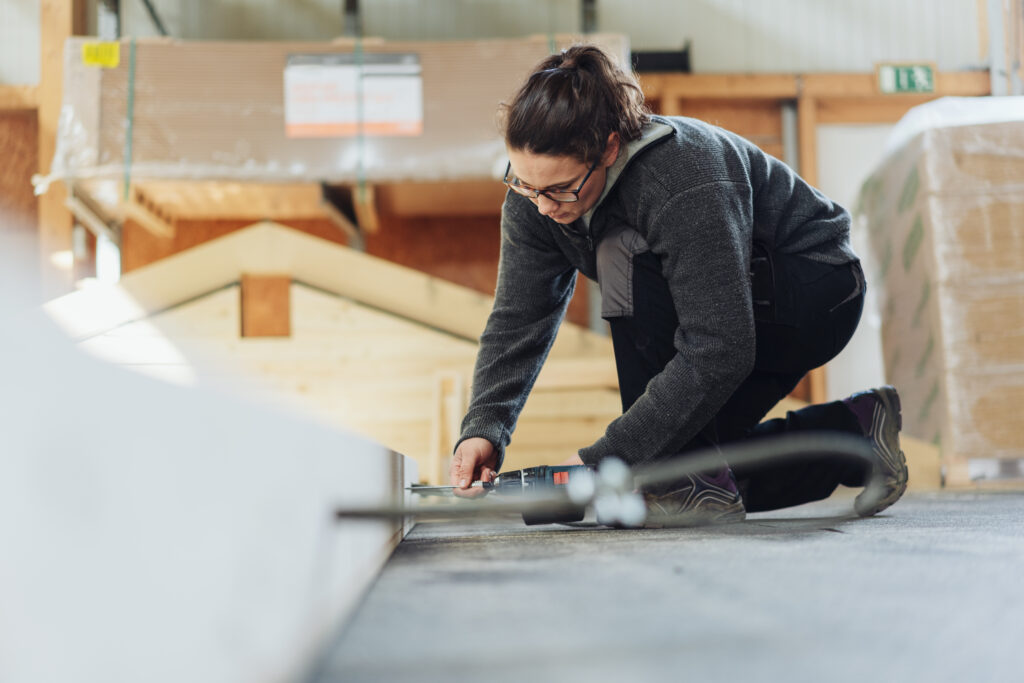
Getting accessibility equipment right is rarely the work of one person. Ceiling lifts, vertical platform lifts, and ramps all require input from multiple disciplines. Structural engineers to calculate load requirements, electricians to run dedicated power, contractors to prepare anchor points, and accessibility specialists to make sure everything lines up with real-world use.
When these conversations happen late, they’re usually about fixing problems: moving a wall to fit a lift, cutting into finished ceilings to add mounting beams, or re-routing wiring to power equipment that was never accounted for. Early coordination flips that script. Structural supports go in while framing is open. Wiring is run before walls are closed. Lift pits and ramp foundations are built as part of the main pour, not as a disruptive extra step.
When the right people are talking to each other from the start, the finished result feels intentional, equipment blends into the design, performs reliably, and is ready for use the day the building opens.
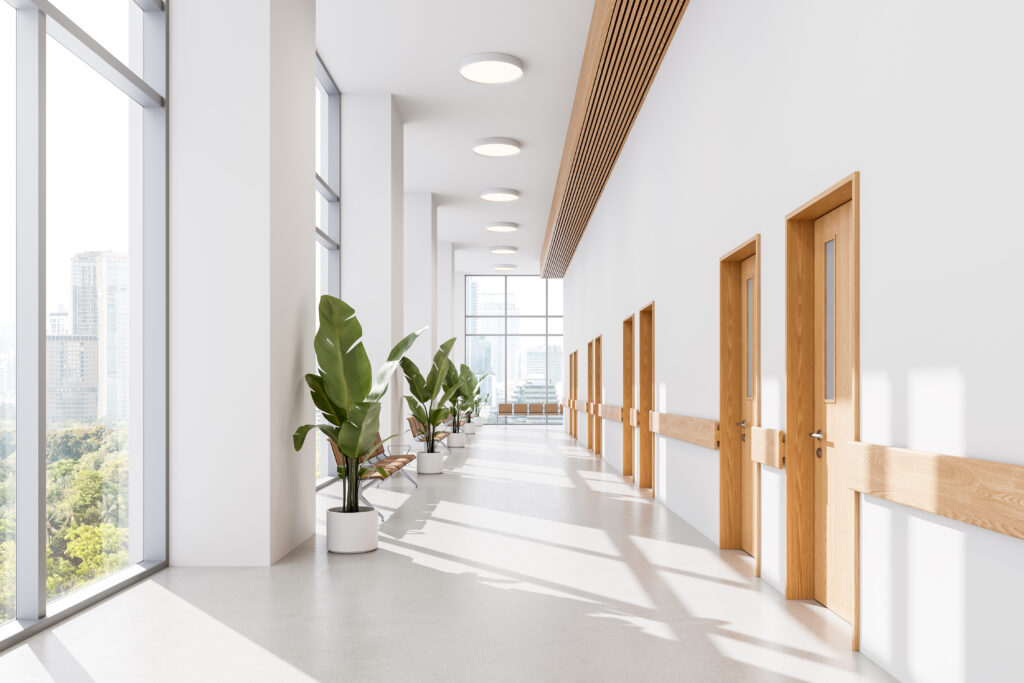
Accessibility standards evolve and change over time, sometimes faster than expected. A client may not need a full ceiling lift track system today, but a year from now, they might. A building might only require a short ramp now, but future code changes could call for a longer, gentler slope. Designing with that possibility in mind can save thousands in renovation costs and weeks of disruption later.
Future-proofing doesn’t mean installing every possible feature up front. It means leaving the right allowances so upgrades are straightforward: structural beams where future lift tracks could run, extra clearance in hallways where equipment might be added, electrical capacity for devices that aren’t there yet, and ramp approaches that can be extended without reworking the whole entryway.
Projects that build in this flexibility age better. They adapt when user needs or regulations shift, without forcing expensive and messy retrofits. For architects and builders, it’s a way to protect the investment and keep the space functional for years to come.
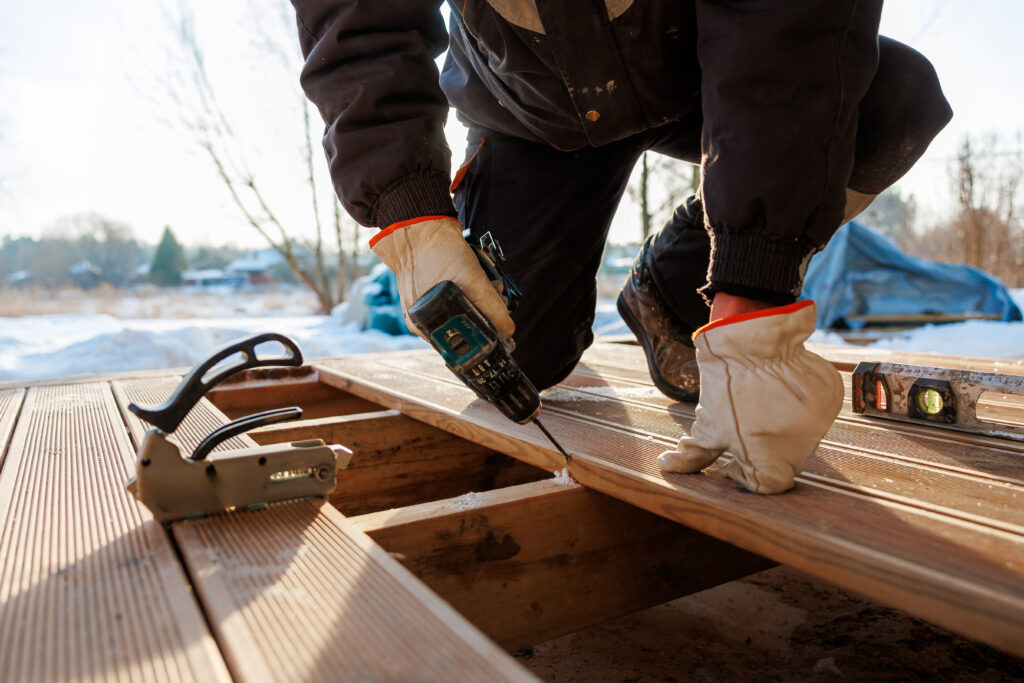
When lifts and ramps are designed to meet accessibility standards from day one, the result is a space that feels intentional, works seamlessly, and is ready for the people who need it from the moment it opens. Early planning prevents costly changes, avoids awkward compromises, and makes it easier to meet both current and future accessibility requirements.
HME works with contractors and design teams across BC to make sure ceiling lifts, vertical platform lifts, and ramps are integrated the right way, ensuring all installations are structurally sound, easy to use, and built to last. From reviewing early drawings to advising on equipment specs and installation requirements, our team helps projects move smoothly from concept to completion.
If you’re starting a new build or major renovation, bring HME into the conversation early. Together, we can make accessibility part of the plan, not an afterthought.