 Canadian Owned & Operated
 Canadian Owned & Operated
Posted on March 10, 2026
Every home is different, and so are the people living in it. Some households start by considering disability ramps for home access as a straightforward way to address a few steps. Others are dealing with steep porches, tall decks, or long-term health changes that make a simple ramp harder to manage. A ramp might solve the problem in certain spaces, but in tougher situations, a lift offers the kind of day-to-day security and independence that a ramp can’t. Both can restore safe entry and exit, but they solve the challenge in very different ways.
Before deciding on a ramp or a lift, it helps to step back and look at the details of your space and lifestyle. Disability ramps for home use can be a straightforward solution, but not every entryway or mobility need is the same. The height of your porch, the slope of your yard, and how often you’ll be using it all matter.
A few things to size up right away:
This type of decision is where our HME team’s advice makes a difference. We’ll ask the right questions, consider your routines, and help you land on the option that best supports your independence at home.
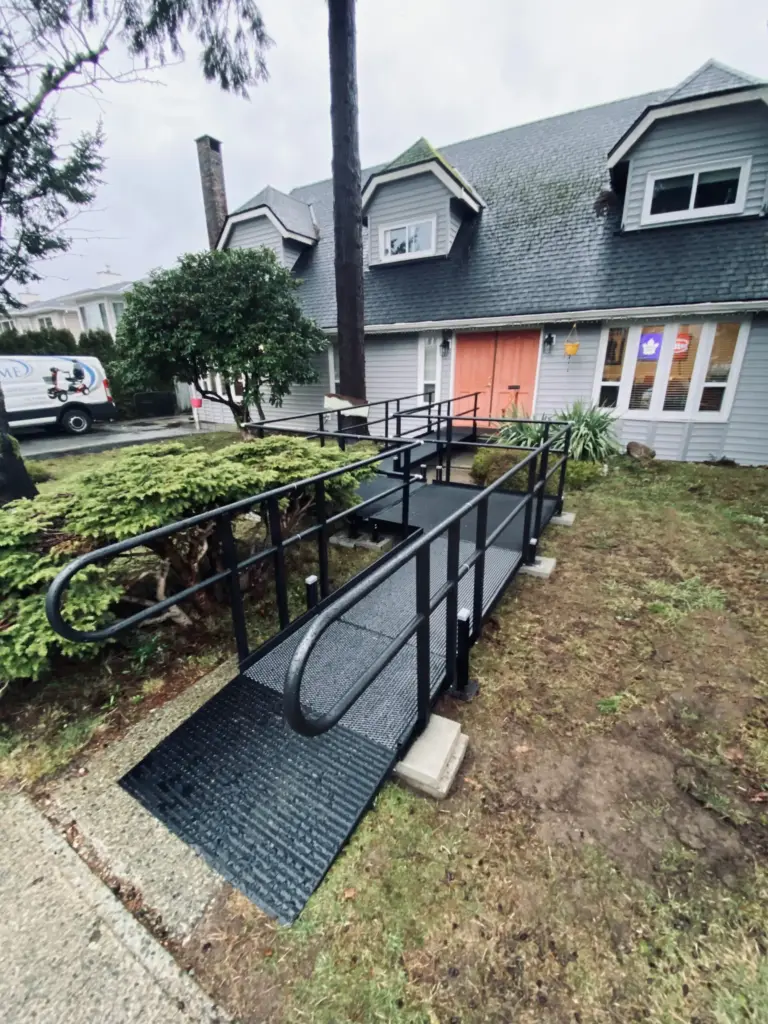
Disability ramps for home access can be the fastest way to make an entry safe again. They’re straightforward, cost-effective, and don’t require complicated prep work. If you’re dealing with just a couple of steps, a ramp is usually the simplest answer.
Here’s where ramps shine:
That said, ramps do have their limits. A steep rise can turn into a very long ramp, which isn’t always practical for homes with small yards or limited space. And while traction surfaces help, rain and snow in B.C. can make long outdoor ramps harder to maintain.
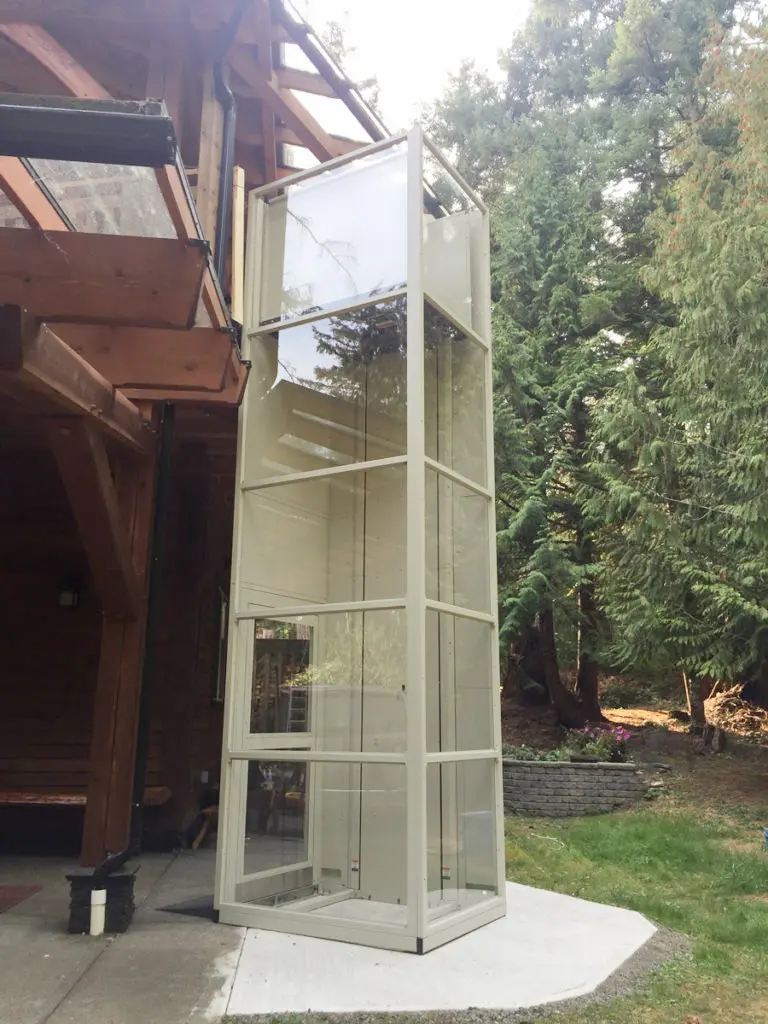
Sometimes the challenge isn’t a couple of steps—it’s a full flight up to a deck or an entryway where space is already limited. In those situations, disability ramps for home access may not be practical. A vertical platform lift provides direct, level entry without taking over your yard or requiring a long, sloped structure.
Lifts often make more sense in situations like these:
At HME, we recommend lifts when we see that a ramp won’t deliver safe or practical access. Our team can walk you through the difference between residential and commercial-grade units, explain what installation looks like, and help you decide if this is the right investment for your home.
Choosing between disability ramps for home access and a lift isn’t always simple. Our job is to take the uncertainty out of the process. We’ll ask about your entryway, your space, and how often the solution will be used. Then we’ll explain the options clearly — whether that’s a modular ramp for quick access or a vertical platform lift for long-term independence.
Because needs can change, we also offer rentals as well as permanent setups. That flexibility means you get a solution that fits today and can adapt for tomorrow. In the end, what we provide isn’t just equipment — it’s the confidence that your home will stay safe and accessible.
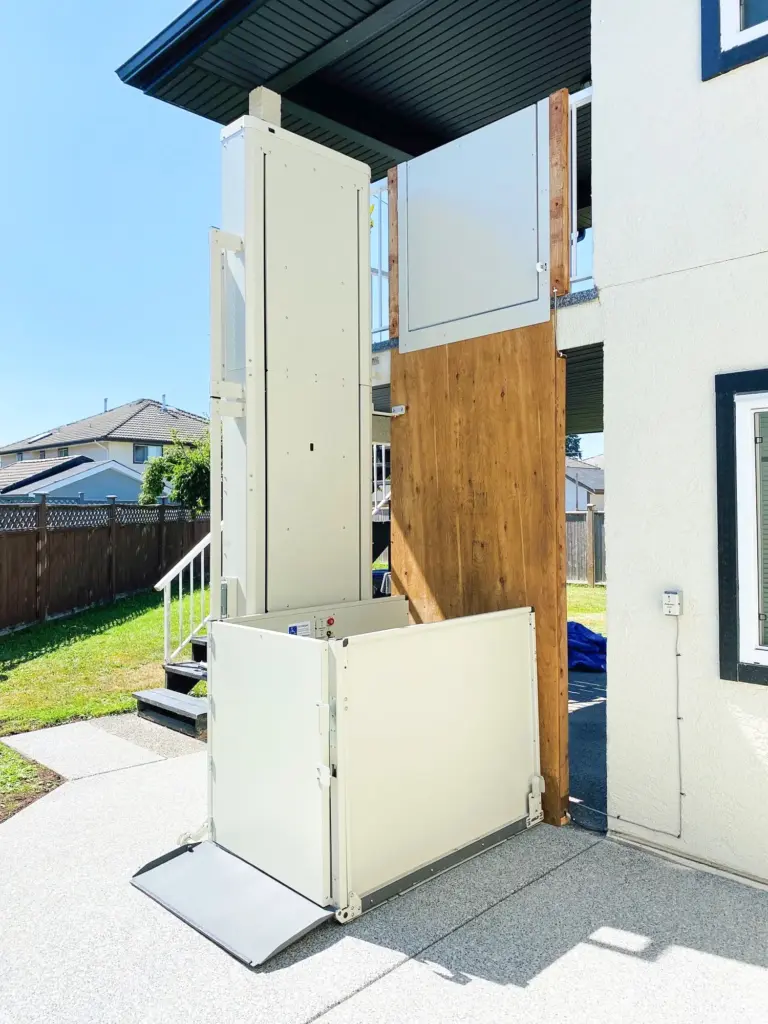
Both ramps and lifts can restore safe, reliable access to your home, but the right choice depends on your space, your needs, and your long-term goals. Disability ramps for home use are often the quickest, most affordable solution, while lifts offer security and independence when ramps aren’t practical.
At HME, we make the decision easier by listening, answering your questions, and guiding you toward the option that fits best. Reach out today to explore rental or purchase options and find the solution that keeps your home accessible for years to come.