 Canadian Owned & Operated
 Canadian Owned & Operated
Posted on May 22, 2026
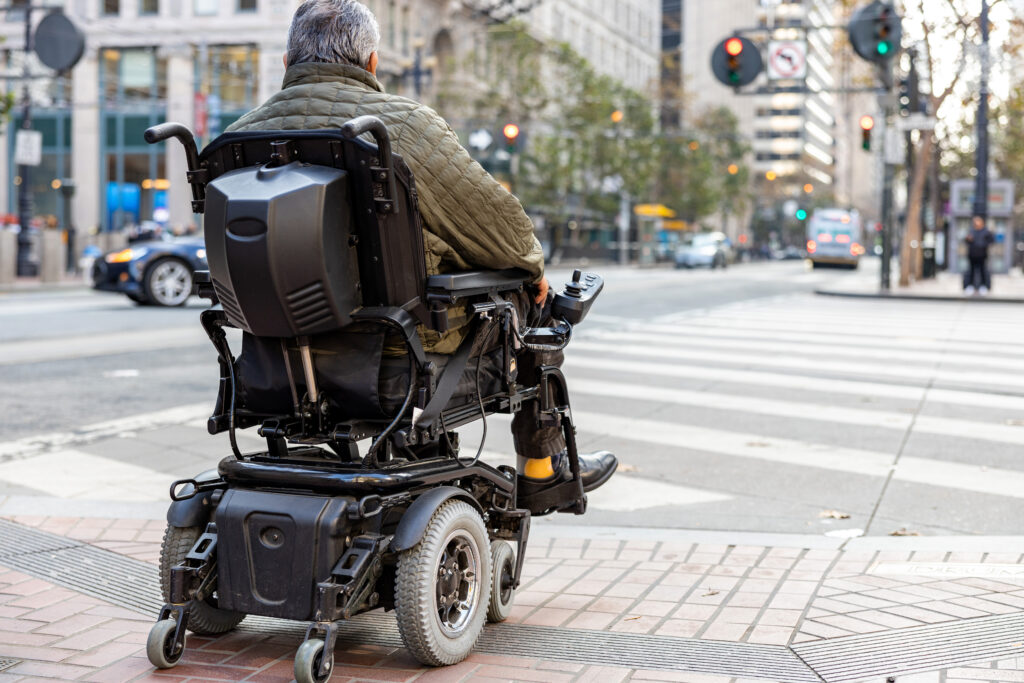
Electric wheelchair shopping gets overwhelming quickly, and the wrong choice is more than a minor inconvenience. It affects independence, daily comfort, and whether someone can actually get in and out of the spaces they need to move through.
Price, size, and reviews only take you so far. A chair that handles beautifully outdoors might be a nightmare in a narrow hallway. One that looks great on paper might be too heavy to load into a car without a struggle. What actually matters is the person using the chair, where they live, and what their body needs after hours of use.
This guide walks through the key factors to think through before you buy or rent, so the decision holds up in real life.

Before comparing models, start with the places the electric wheelchair actually needs to work.
It sounds obvious, but it’s where a lot of people get tripped up. They zero in on battery range, speed, or whether the electric wheelchair folds, and forget to ask whether it can turn comfortably in the kitchen, fit through the bathroom doorway, or handle the surfaces it rolls across every day.
Indoor and outdoor use pull in different directions. Inside, turning radius, chair width, and ease of control matter most. Narrow hallways, thick carpet, tight entryways, and awkward door thresholds can quietly undermine even a well-spec’d electric wheelchair. Outside, the questions shift to uneven pavement, curb cuts, ramps, wet weather, and range. A chair that feels smooth in a showroom can feel very different in actual conditions.
A simple question cuts through a lot of the noise: where does this electric wheelchair need to perform without making life harder? Start there, and the rest of the decision gets easier to navigate.Understand the Main Types of Electric Wheelchairs
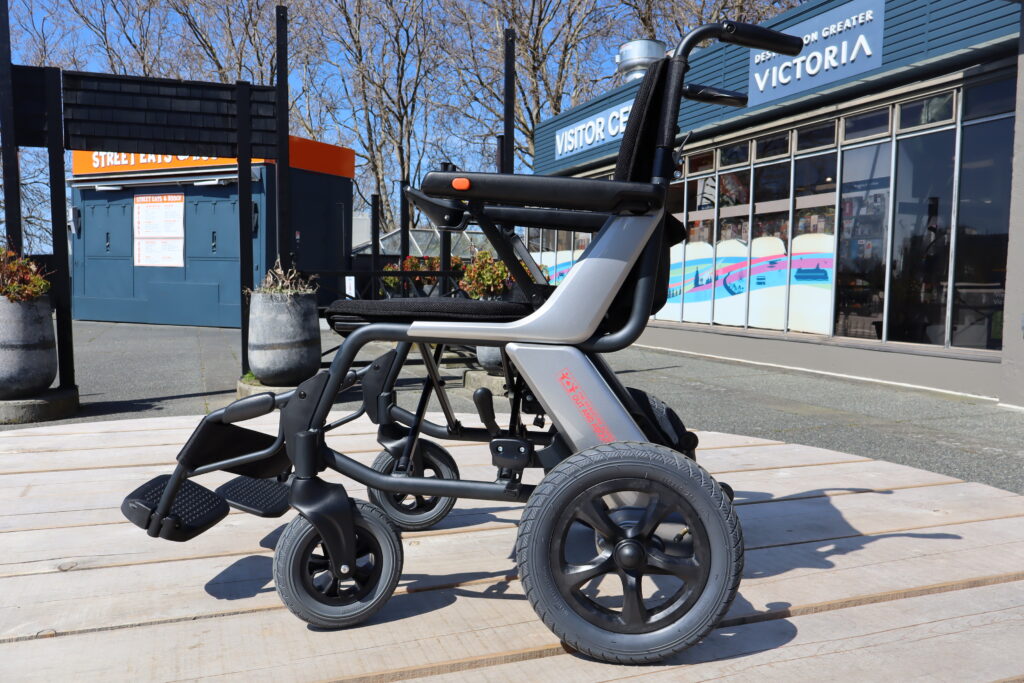
Once you know where the mobility device will be used most, the next step is understanding what’s actually out there. Electric wheelchairs are not all built for the same job, and the differences between categories are more significant than most people expect.
A light folding chair, a standard power wheelchair, and a heavy-duty outdoor model may all sit under the same broad product label, but they solve different problems. Choosing between them comes down to matching the chair to the person, the home, the vehicle, and the daily routine.
Folding electric wheelchairs are usually chosen for portability. They tend to be a good fit when the chair needs to move in and out of a vehicle regularly, store in a smaller space, or come along for appointments, errands, and travel.
The tradeoff is real though. Portability usually comes with limits on seating support, outdoor performance, and long-day comfort. Folding electric wheelchairs can also be heavier than people expect, which matters a lot for whoever is doing the lifting.
The folding feature is worth having if it fits the routine. Just treat it as one factor in the decision rather than the whole reason to buy.
Standard power wheelchairs tend to be a better fit for people who use their chair throughout the day and need more comfort, stability, and adjustability. These models generally offer stronger everyday performance than a lightweight travel chair, with more seating options and better support for longer hours of use.
They can also handle indoor spaces better than people assume, particularly when the turning radius and controls are well-matched to the user. For someone relying on an electric wheelchair inside the home every day, this category is usually worth a serious look.
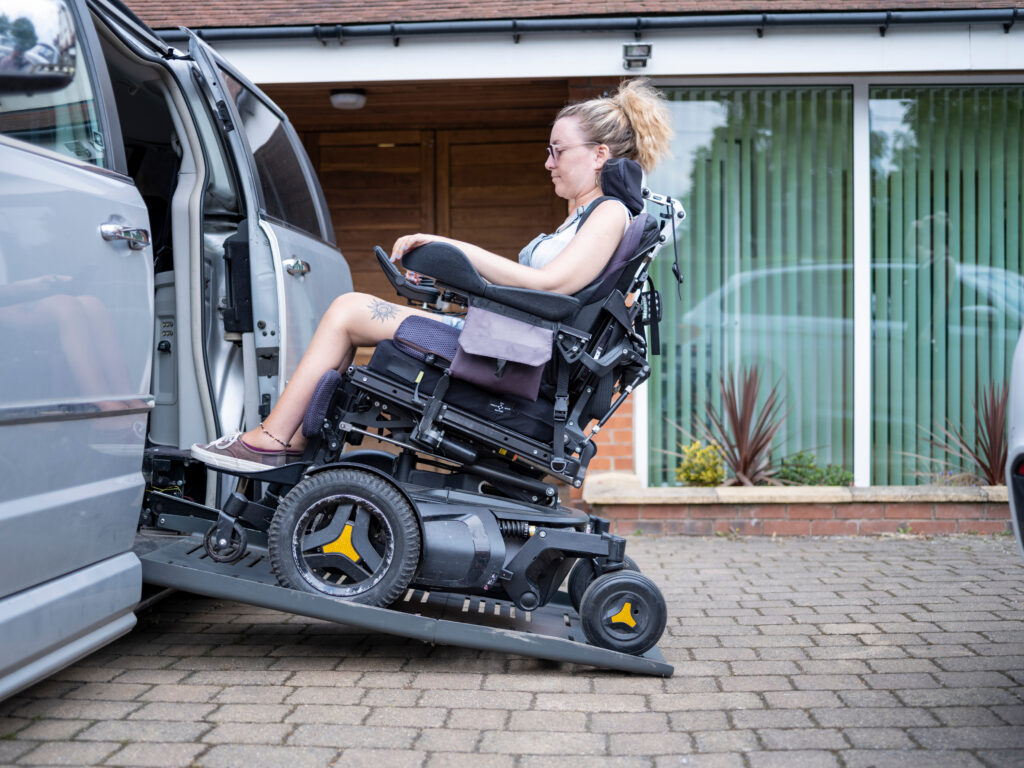
Transport is the main complication. Many standard power wheelchairs are not designed to be lifted into a car. Depending on the model, getting it in and out of a vehicle may require a ramp, a lift, or a wheelchair-accessible vehicle altogether.
Some users need more from their electric wheelchair. Higher weight capacity, stronger motors, larger wheels, and better stability on uneven ground. This category covers chairs built for longer distances, rougher outdoor surfaces, or users who need a wider seat and more substantial support.
The tradeoff is size and manoeuvrability. A heavier, more capable electric wheelchair can be harder to navigate in tight indoor spaces, and usually requires more planning around storage and transportation.
Every chair gives you something and asks you to give something up somewhere else. The categories above are just a way of understanding where those tradeoffs tend to land, so you can focus on the type that makes the most sense before getting into specific models.

Comfort tends to feel like a secondary concern right up until someone is sitting in an electric wheelchair for six hours a day.
Seat width, seat depth, cushion type, back support, armrest height, and foot positioning all affect how the chair feels after real hours of use. A seat that feels fine for ten minutes can become genuinely uncomfortable by mid-afternoon. For users with reduced trunk strength, fatigue, or limited ability to shift position independently, the right postural support is not a bonus feature. Without it, leaning, sliding, and pressure buildup become daily problems.
This is where online shopping has real limits. A product page can list every dimension and feature, but it cannot tell you how well an electric wheelchair fits a specific body, whether the joystick is comfortably reachable, or whether the seat holds a stable position through a full day of use.
For anyone relying on an electric wheelchair through most of the day, seating is part of how the chair functions. Working with someone who understands both the equipment and the person using it tends to produce far better outcomes than buying from a spec sheet.
Portability sounds straightforward until you picture the actual routine.
Does the chair need to fit in a car trunk? Who is doing the lifting, and can they manage the weight repeatedly over time? Fit and easy transport are two different things. Some folding electric wheelchairs are still heavy, awkward to grip, and hard on the person loading them.
Battery removal, folded dimensions, storage space, and vehicle setup all factor into how practical a chair is day to day. Some electric wheelchairs suit quick folding and easy lifting. Others make more sense with a ramp, a lift, or an accessible vehicle.
Think through the full sequence before deciding: folding, lifting, loading, setting up, charging, storing. That picture looks very different from a folded weight on a spec sheet.

Battery range matters, but the advertised number is only a starting point.
Real-life performance depends on the user’s weight, the terrain, how often the electric wheelchair starts and stops, and how consistently it gets charged. A chair used mainly at home has different battery demands than one handling errands, appointments, sidewalks, and outdoor paths.
Speed is worth considering, but it should not drive the decision. Safe, steady movement matters more than going faster for most users. The wheelchair should feel controlled in tight spaces, stable on turns, and reliable enough that battery anxiety is not part of the daily routine.
Charging is worth thinking through, too. Where will the chair plug in? Is the charger easy to access? Can charging overnight become a natural habit? Those small details shape whether the chair feels manageable or like one more thing to worry about.
A good electric wheelchair matches the pace of the user’s actual day, not the longest possible trip they might take once a year.
An electric wheelchair should feel manageable from the start. If the user is tense every time they turn, back up, or move through a doorway, the chair is adding stress instead of independence.
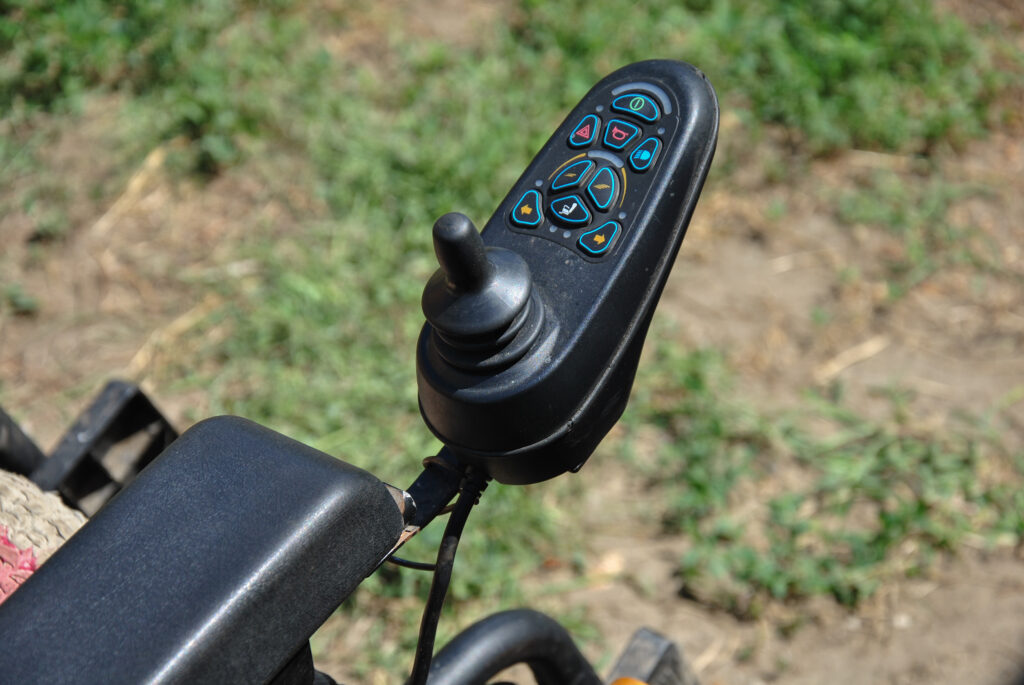
Controls matter more than the spec sheet suggests. The joystick needs to feel natural for the person using it, not just technically adjustable. Hand strength, coordination, reaction time, and day-to-day comfort all determine whether the chair feels smooth or quietly exhausting over time.
Safety feeds into that same experience. A good chair feels steady through turns, controlled when stopping, and predictable in busier or more unpredictable spaces. For someone using the electric wheelchair outdoors regularly, that sense of reliability becomes even more important.
The chair with the longest feature list is not always the right one. The right one is the chair the user can operate confidently, without feeling like they are working against it.

Electric wheelchairs and mobility scooters are often compared, but they are built for different kinds of use.
A mobility scooter tends to suit someone with good upper-body strength who can transfer on and off safely and mainly needs support for longer outings. Errands, shopping centres, sidewalks, and community use are where scooters tend to shine.
An electric wheelchair is usually the better fit when someone needs more support, tighter indoor movement, or more control from a seated position. The smaller turning radius makes a real difference in hallways, bedrooms, kitchens, and elevators.
The more useful question is where the person needs help most. If the main challenge is moving safely around the home every day, an electric wheelchair is likely the more practical choice. If the need is mostly outdoor distance with good existing mobility, a scooter may be enough.
Specs do not tell the whole story.
An electric wheelchair can look perfect online and still feel wrong in person. The seat may be too narrow, the controls too sensitive, or the turning radius completely different from what the space actually needs. Those are the kinds of details that only show up once someone is actually in the chair.
Trying before buying gives you a chance to catch those issues before committing. Comfort, control, fit, and how the chair handles real spaces are all easier to assess in person than from a product page.
This is where local support makes a difference. HME can help you find an electric wheelchair based on how it will actually be used, not just how it reads online. The goal is a chair that holds up in daily life, not one that trades one problem for another.

Before narrowing down specific models, a few practical questions can cut through a lot of the noise:
Those answers will usually tell you more than any product description. They help separate the electric wheelchairs that look appealing from the ones that actually fit someone’s life.

Choosing an electric wheelchair is a personal decision. The right chair has to fit the user, the home, the routine, and the level of support needed day to day.
That is difficult to figure out from product photos and spec sheets alone. Comfort, manoeuvrability, transport, controls, and seating all need to work together, and a chair that performs well in one setting can be completely impractical in another.
HME can help you compare electric wheelchairs based on how they will actually be used. Whether you need something portable, more supportive, easier to manage indoors, or better suited to daily mobility, the team can walk you through your options and help you find a chair that fits real life.
Contact HME to discuss wheelchair options for your home, lifestyle, or care needs.