 Canadian Owned & Operated
 Canadian Owned & Operated
Posted on February 27, 2026
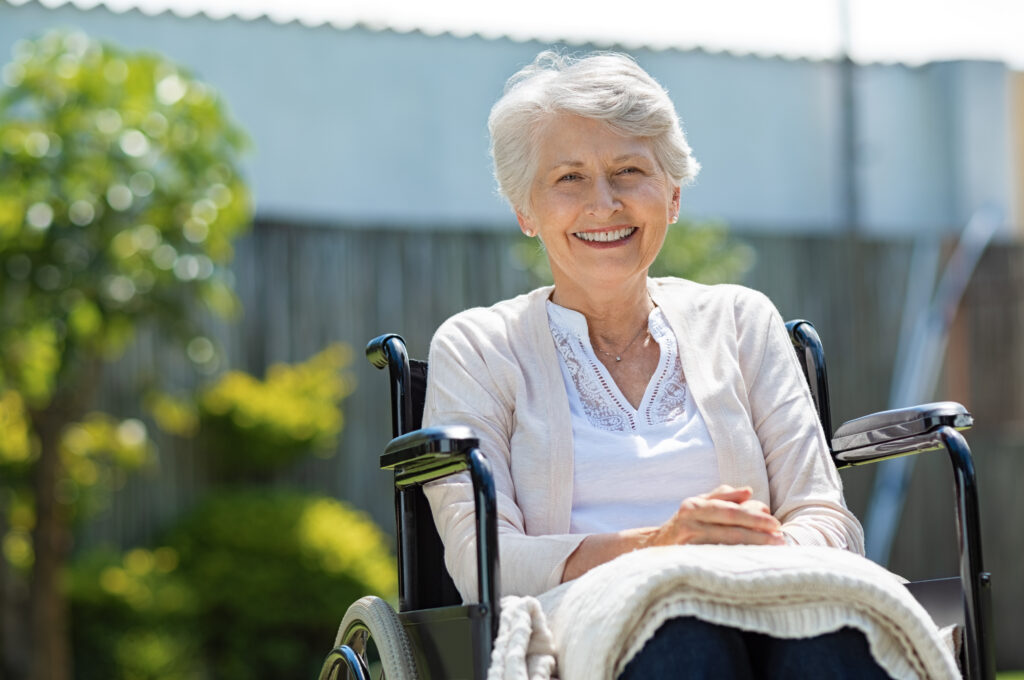
A safe and comfortable home doesn’t just happen — it’s the result of thoughtful choices that make everyday life easier. For seniors, people with disabilities, and veterans, the right home accessibility upgrades can be the difference between feeling limited and living independently. From preventing falls to making daily routines less stressful, even small changes can have a big impact. This guide walks through each room of the house with practical, real-world ways to improve safety and accessibility without giving up the feeling of home.
Entryways are one of the most important spots to focus on when planning home accessibility upgrades. A few practical changes can turn a risky threshold into a safe, reliable point of access:
Upgrading an entryway isn’t just about convenience — it’s about restoring safe, everyday independence. A safe entry means fewer risks of falls and the confidence to leave and return home without hesitation.

The kitchen is often the heart of the home, but it can also be one of the toughest places to navigate safely. Counters, cabinets, and appliances aren’t always designed with accessibility in mind, which is why kitchen-focused home accessibility upgrades can have such a big impact.
Lowering or adjusting counter space makes food prep more manageable for someone using a wheelchair. Pull-out shelves and lazy susans reduce the need to reach or bend awkwardly, while lever-style handles on faucets and cabinets are far easier to use than knobs. Even something as simple as adding non-slip mats near the sink or stove can reduce the chance of a fall.
For many families, the goal isn’t to redesign the kitchen from scratch — it’s to adapt what’s already there. Smart, affordable upgrades give people the ability to cook and enjoy meals on their own terms without unnecessary risks or strain.
The living room is where people spend the most time, but it can also be full of hidden hazards. A few targeted home accessibility upgrades can make these spaces much safer and easier to navigate:
By opening up space and reducing obstacles, common areas become more welcoming and easier to enjoy independently.
Bathrooms are one of the most common places for falls, which makes them a top priority for home accessibility upgrades. The mix of water, hard surfaces, and tight spaces means safety has to come first.
Walk-in or roll-in showers remove the barrier of a tall tub edge and make bathing easier with a wheelchair or walker. Adding grab bars near the toilet, shower, and sink provides stability where it’s needed most. Non-slip flooring or decals inside the tub reduce the risk of slipping, and shower benches give the option to sit while bathing. Even small details, like lever-style faucets, can make a daily routine far less stressful.
At HME, we often see how a few changes transform confidence. When the space feels safe, it restores privacy and independence in one of the most personal parts of daily life.
The bedroom should feel like a safe, restful space. A few targeted home accessibility upgrades can make it much easier to move around and reduce nighttime risks:
These upgrades give peace of mind, making it easier to begin and end the day with confidence and independence.
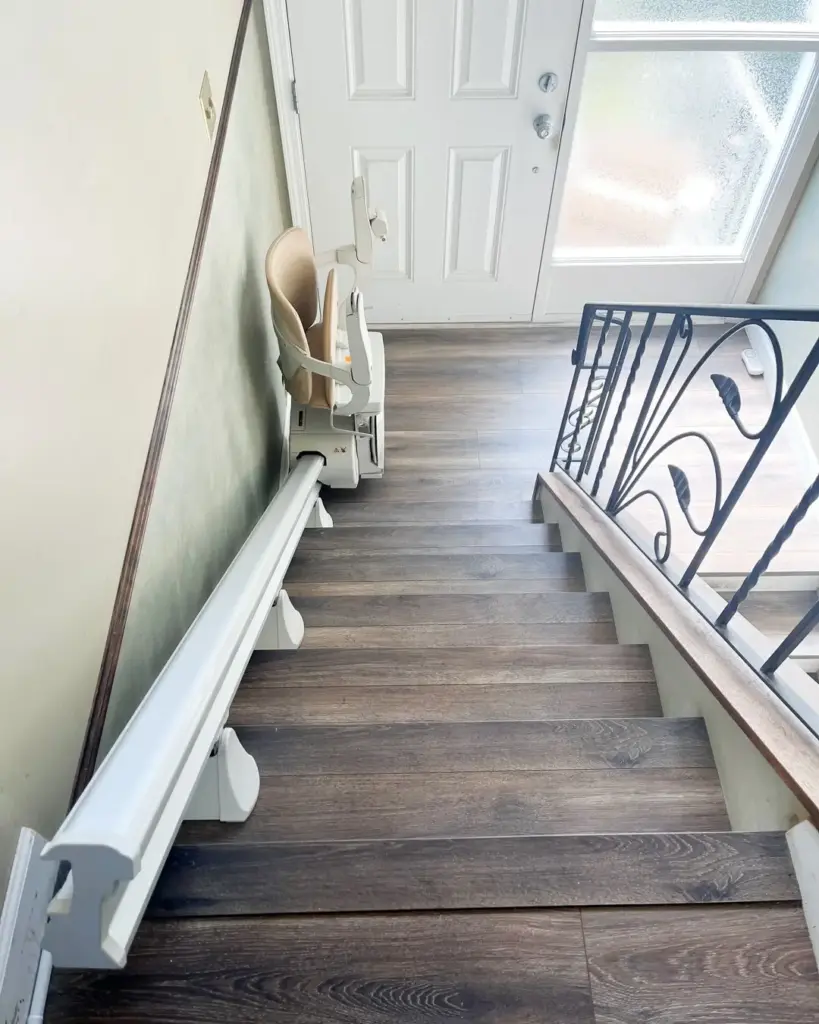
Stairs and narrow hallways are often the biggest barriers in a multi-level home, but thoughtful home accessibility upgrades can make them much safer.
Adding sturdy handrails on both sides of a staircase provides extra stability, especially for those with balance concerns. Good lighting is just as important — motion sensors or brighter bulbs can prevent missed steps. For homes where stairs are unavoidable, stairlifts and vertical platform lifts offer reliable alternatives that reduce strain and risk.
Hallways should be kept clear and wide enough for wheelchairs or walkers. In some cases, widening doorways or installing offset hinges can add valuable inches of clearance without major renovations. These changes create smoother movement throughout the home, so every floor and room stays accessible.

Every room in the house plays a role in safety and independence. With the right home accessibility upgrades — from ramps at the entryway to grab bars in the bathroom — daily routines become easier and risks are reduced. The key is finding the right balance between comfort, practicality, and long-term planning.
At HME, we help families identify the upgrades that matter most. Our team listens, explains options clearly, and provides solutions that fit both today’s needs and tomorrow’s changes. Reach out to HME to start planning your room-by-room accessibility upgrades and create a home that truly supports independence.