 Canadian Owned & Operated
 Canadian Owned & Operated
Posted on January 19, 2026

Most people don’t start shopping for an accessibility ramp because it sounds like a fun weekend project. It usually follows a fall, a surgery, a diagnosis, or a slow realization that stairs are becoming unpredictable. The challenge isn’t finding a ramp. It’s figuring out which one will actually feel safe, usable, and reliable in your home.
Choosing the right accessibility ramp comes down to how it will be used day to day, how your property is laid out, and how it performs in real weather, not showroom conditions.
Before you measure a single inch, think about who will be using the accessibility ramp and how often. A manual wheelchair requires very different effort than a power chair or a walker. A caregiver pushing uphill several times a day feels slope changes immediately. Even a small incline can become exhausting over time.
We’ve seen homes where a ramp technically met code but still felt uncomfortable because turning space was tight or the landing was too short for smooth transitions. These details affect confidence and safety more than people expect. If multiple users rely on the ramp, that flexibility matters even more.
An accessibility ramp should support natural movement without forcing awkward angles, heavy pushing, or risky maneuvering.
Ramp planning often runs into reality when homeowners realize how much space a proper slope requires. A common guideline is roughly one foot of ramp length for every inch of rise. A 24-inch porch can easily demand 24 feet of ramp.
That distance has to fit somewhere. Driveways, landscaping, fencing, door swing clearance, and property lines all shape what’s possible. In tighter urban lots or townhomes, long straight runs may not work without switchbacks or landings.
This is where many accessibility ramp projects benefit from experienced eyes. Measuring only the rise isn’t enough. You also need to account for turning platforms, handrail clearance, and how the ramp connects safely to walkways and doors.
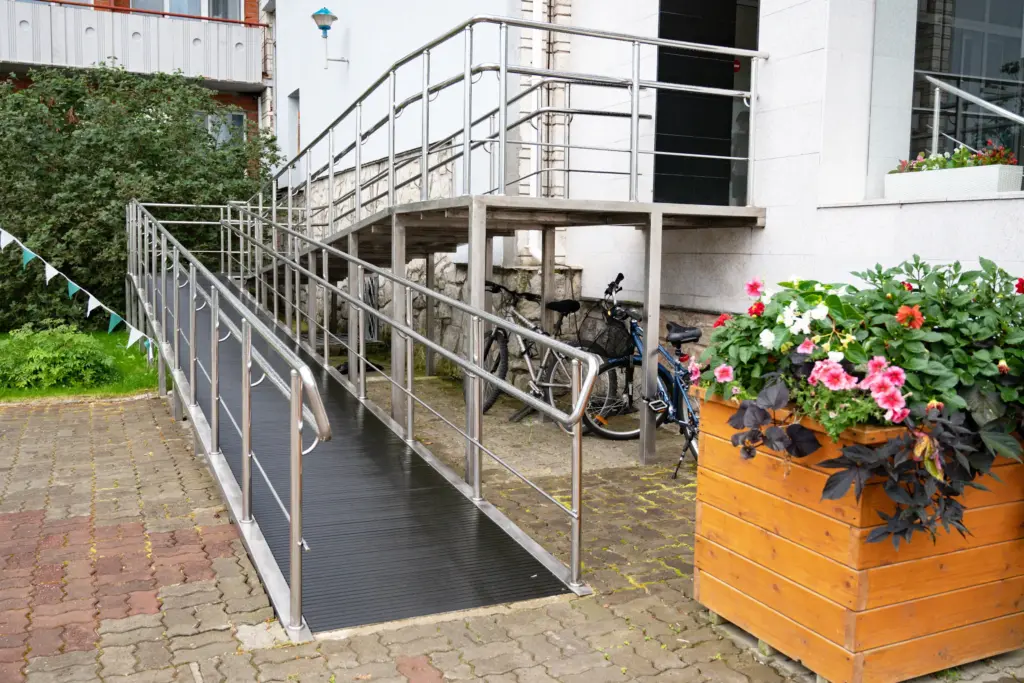
Not every home needs the same ramp solution. Matching the ramp type to your layout avoids overbuilding or underbuilding.
The right accessibility ramp balances stability, adaptability, and footprint without creating obstacles elsewhere on the property.
In B.C., moisture management isn’t optional. Rain, frost, moss growth, and shaded areas can turn smooth surfaces slippery quickly. Traction surfaces, proper drainage, and sturdy handrails reduce risk year-round.
We often see older ramps without adequate grip or water runoff become maintenance headaches. A well-designed accessibility ramp uses materials that resist corrosion and maintain grip even during long wet stretches.
If the ramp sits under tree cover or faces north, moisture lingers longer. Planning for those conditions upfront avoids surprises later.
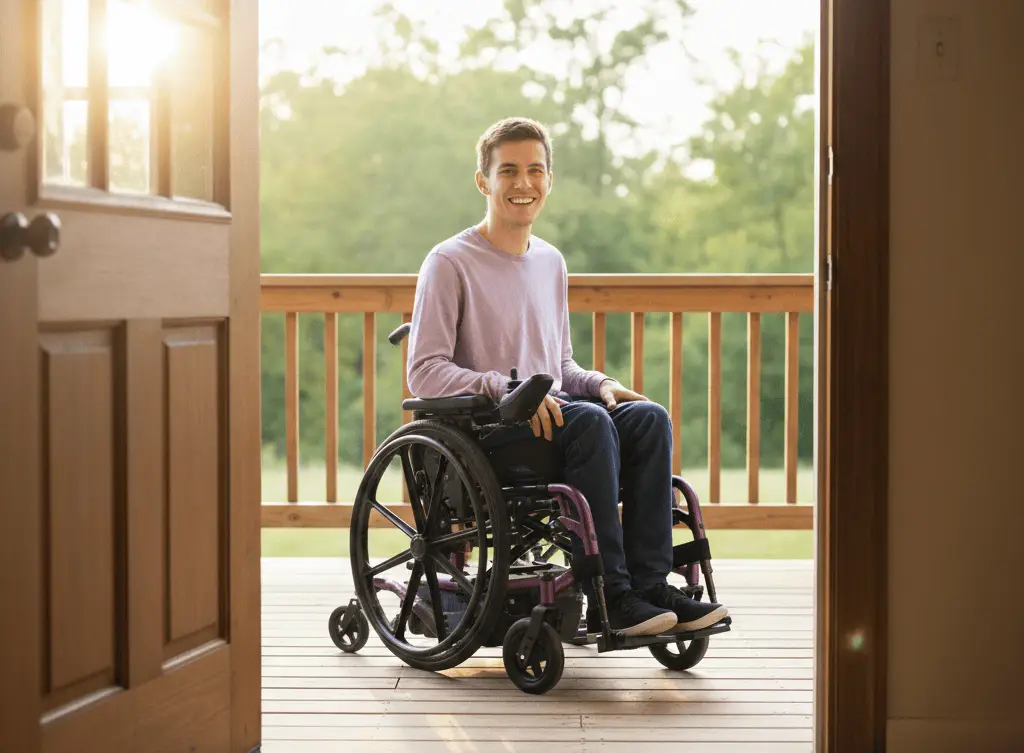
Ramp projects can look straightforward online, but become complicated on-site. Slope miscalculations, clearance issues, anchoring challenges, and code compliance can all trigger redesigns or delays.
Experienced installers help identify constraints early, propose workable layouts, and ensure long-term safety. Small design corrections at the start prevent costly adjustments later.
At HME, teams regularly evaluate how an accessibility ramp will integrate with daily routines, seasonal conditions, and future mobility needs. That practical insight often makes the difference between a ramp that technically works and one that truly supports independence.
Mobility needs rarely stay static. What works today may feel limiting in a few years. Modular systems allow expansion or reconfiguration without starting from scratch. Wider platforms, gentler slopes, or additional handrails can be added as usage changes.
Thinking ahead also protects property value and reduces future disruptions. A flexible accessibility ramp adapts instead of forcing replacement.
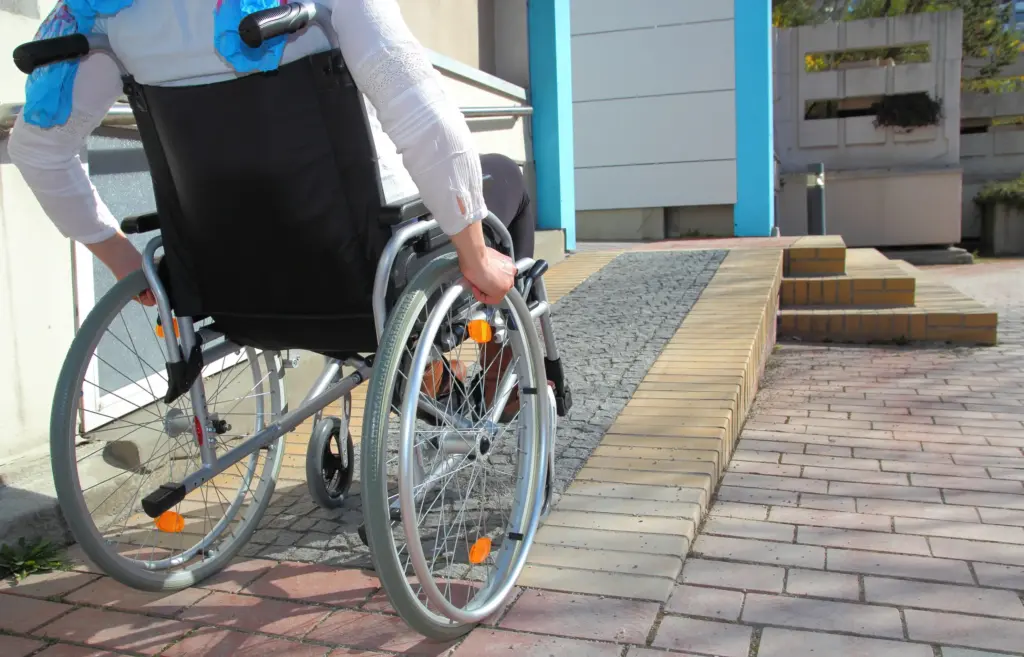
If you’re weighing ramp options, HME can help you assess your space, understand your options, and choose a solution that fits both today’s needs and tomorrow’s changes. Reach out to start a conversation and move forward with clarity and confidence.

