 Canadian Owned & Operated
 Canadian Owned & Operated
Posted on January 26, 2026
Every business wants its entrance to welcome all visitors, but for individuals using wheelchairs or mobility devices, steps and uneven pathways create real barriers. Ramps for wheelchairs play a critical role in creating safe, usable, and inclusive commercial spaces. Beyond simply meeting regulations, a well-designed ramp improves flow, reduces risk of injury, and ensures a positive first impression for every visitor.
Designing ramps requires careful planning of space, materials, and usability. The slope, width, and landing placement all affect safety and comfort. When done well, ramps handle high traffic, withstand weather, and give users confidence every day.
A successful ramp starts with planning that balances accessibility, safety, and durability. The first factor is slope: gentle inclines reduce strain for users and comply with accessibility codes. Typical guidelines call for a 1:12 ratio, meaning one inch of rise for every 12 inches of ramp length, but the exact slope may vary based on space and traffic.
Width and clearance are equally important. Ramps must be wide enough to accommodate wheelchairs, mobility scooters, and foot traffic simultaneously. Landings at entrances and turns provide safe resting points and allow smooth navigation for everyone.
Material choice also shapes long-term performance. Aluminum ramps are lightweight, corrosion-resistant, and often modular, making them easy to install and adjust. Concrete or steel ramps provide permanence and strength but require more planning and maintenance. Weather-resistant surfaces, slip-resistant coatings, and proper drainage help maintain safety year-round, especially in rainy or icy climates.
Finally, consider user experience. Ramps should feel secure, intuitive, and comfortable. Handrails, edge protection, and clear transitions to entrances reduce the risk of accidents and create a welcoming environment for all visitors.
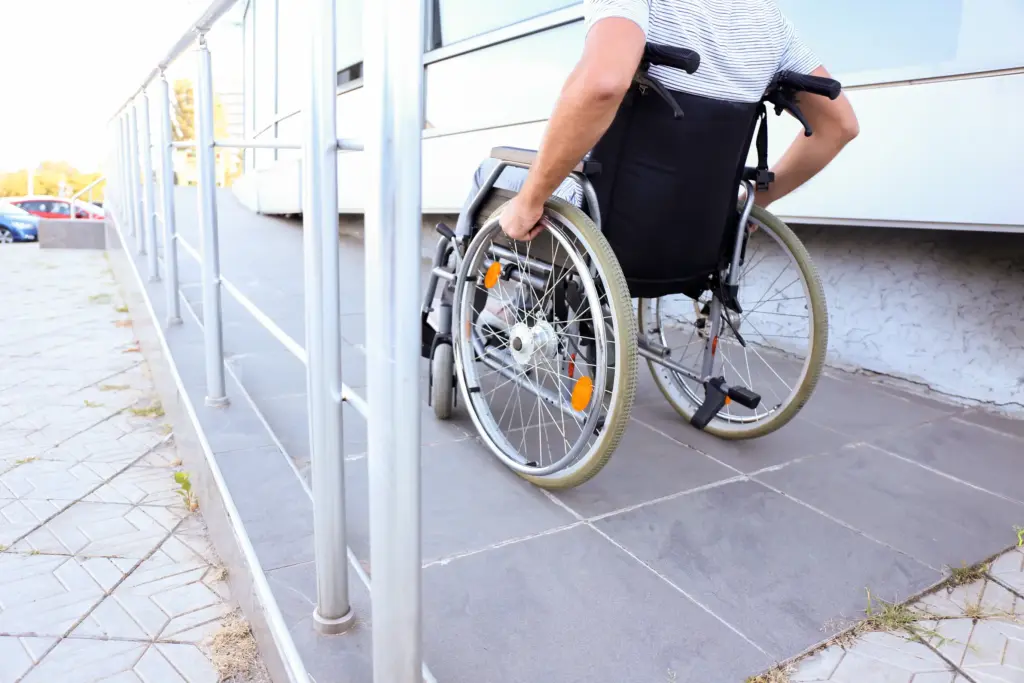
When planning ramps for wheelchairs in a commercial setting, following accessibility standards isn’t optional; it’s essential. Guidelines like the Canadian Standards Association (CSA) B651 and local building codes outline requirements for slope, width, handrails, and landings to make entrances safe and usable for everyone.
Compliance starts with measuring your site and understanding the building’s elevation changes. Even small errors in slope or clearance can make a ramp unusable for some users or fail inspections. Properly following standards protects businesses from liability, avoids costly modifications later, and ensures that all visitors, employees, or clients can safely access the space.
Well-planned ramps for wheelchairs that adhere to standards improve the flow of foot traffic, reduce bottlenecks at entrances, and provide a smoother, safer experience for everyone. Incorporating features like tactile warning strips, wide landings, and continuous handrails helps make ramps fully inclusive and functional.

In commercial environments, ramps for wheelchairs must support frequent daily use while staying comfortable, intuitive, and safe for a wide range of users. Surface texture plays a major role. Slip-resistant finishes help maintain traction during rain, frost, or debris buildup, which is especially important in high-traffic entrances. Handrails should feel continuous and easy to grip, with consistent height and clear visual contrast for users with low vision. Edge protection prevents wheel roll-off and improves confidence for both independent users and caregivers.
Drainage and snow management also deserve attention in colder climates. Standing water can freeze quickly and create safety risks, so proper slope drainage and snow-shedding layouts extend usability throughout the year. Modular aluminum systems often perform well in these conditions because they resist corrosion, allow easy cleaning, and adapt to site changes without major reconstruction.
Durability reduces long-term maintenance costs and downtime. Quality fasteners, reinforced anchoring, and UV-resistant finishes preserve structural integrity and appearance over time.
Many facilities work with accessibility specialists such as HME to evaluate traffic patterns, exposure to weather, and ongoing maintenance needs before selecting a ramp configuration. That early planning helps ensure ramps for wheelchairs continue delivering safe access without constant adjustments or repairs.
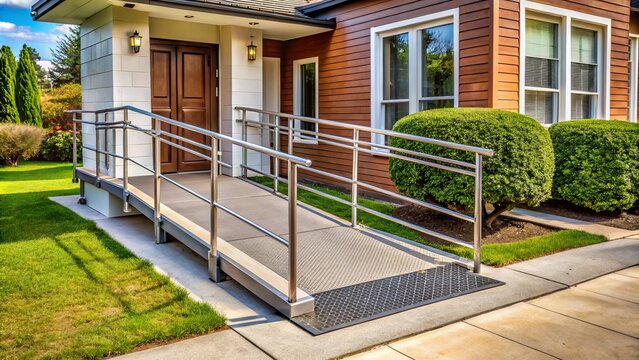
Ramp placement is crucial. A route that feels direct and intuitive encourages people to use it, while ramps hidden around corners or requiring long detours can make accessibility feel cumbersome. Features like sturdy handrails, good lighting, and protection from weather (such as awnings or textured surfaces) improve safety and comfort, especially in regions with rain or snow.
Listening to input from actual users during the planning stage can uncover practical tweaks that plans alone might miss. Simple adjustments, like intermediate landings, gradual slopes, and sufficient width, make a ramp not just functional, but comfortable and welcoming for everyone
Ramps for wheelchairs play a critical role in making commercial spaces accessible, safe, and welcoming. Thoughtful placement, attention to user experience, and adherence to accessibility standards all contribute to ramps that actually get used and appreciated.
We have decades of experience installing commercial ramps. Contact HME today to plan ramps that meet accessibility standards, enhance user experience, and ensure every visitor can enter your space safely and comfortably.

